About the region
About the region
A land of tapas that joins the soul to the Supreme
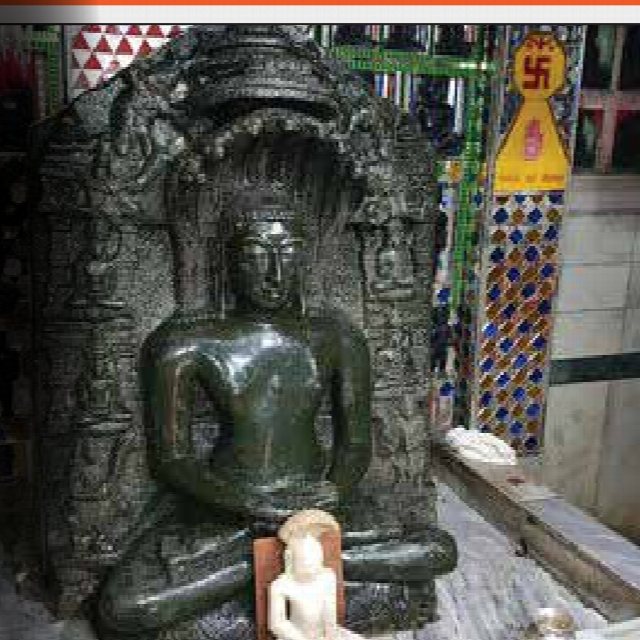
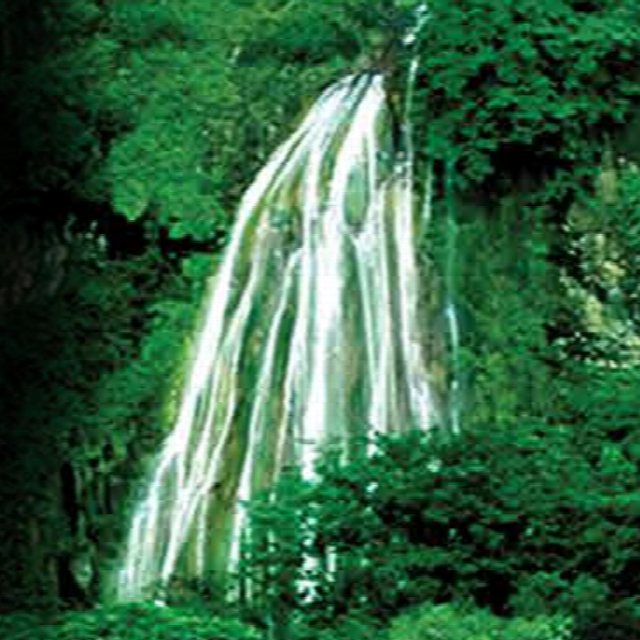
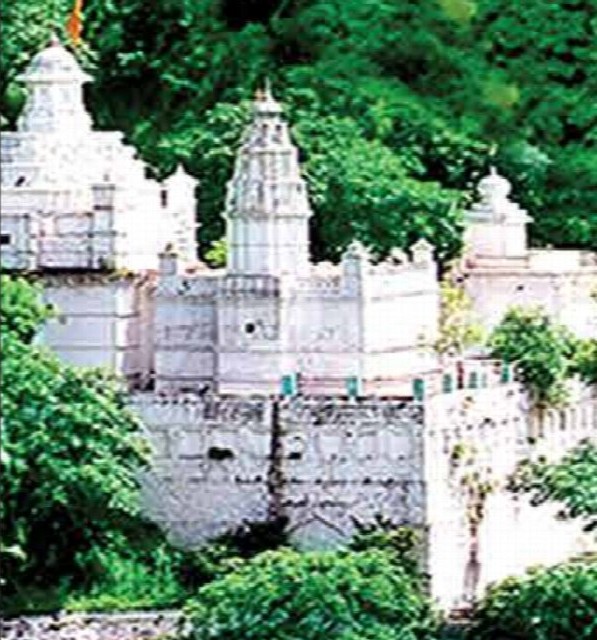
Shri Siddhakshetra Muktagiri (Mendhagiri) is more than a pilgrimage site: it is a sacred land of austerity. Set among the green Satpura ranges, this holy place brings devotion, history and nature together.
Visitor information
Jain philosophy and the kinds of tirtha
In Jainism, tirtha vandana (pilgrimage worship) is a principal means of shedding karma (nirjara) and of the soul’s welfare. A Siddhakshetra is a holy land where Tirthankaras or revered munis completed their austerities and attained liberation (moksha/nirvana) from the cycle of birth and death.
At an Atishayakshetra, extraordinary events are associated with the divinity of the Jina idol or the sacred land. A Kalyanakakshetra is associated with a Tirthankara’s auspicious events. Muktagiri is revered as both a Siddhakshetra and an Atishayakshetra.
At an Atishayakshetra, extraordinary events are associated with the divinity of the Jina idol or the sacred land. A Kalyanakakshetra is associated with a Tirthankara’s auspicious events. Muktagiri is revered as both a Siddhakshetra and an Atishayakshetra.
Visitor information
The spiritual glory of Muktagiri
Tradition holds that about 3.5 crore munis attained eternal bliss in Siddhalaya from this hill through devotion to the Three Jewels (ratnatraya) and self-discipline.
The Nirvanakand records that the samavasarana of Bhagwan Sheetalnath Swami, the 10th Tirthankara of the present cycle, came to this holy land.
Acharya Shri 108 Vidyasagar ji Maharaj held chaturmas here in 1980, 1990 and 1991. In 1998, nine munis received diksha in a ceremony held in his presence.
The Nirvanakand records that the samavasarana of Bhagwan Sheetalnath Swami, the 10th Tirthankara of the present cycle, came to this holy land.
Acharya Shri 108 Vidyasagar ji Maharaj held chaturmas here in 1980, 1990 and 1991. In 1998, nine munis received diksha in a ceremony held in his presence.
Visitor information
History and the two names
Muktagiri Siddhakshetra is also known as Mendhagiri. According to the Nirvanakand, the gods showered pearls when Bhagwan Sheetalnath’s samavasarana came here; this is the account associated with the name Muktagiri.
A traditional story says that about a thousand years ago, near Temple No. 10, a ram heard the Namokar Mantra from a muni in meditation and was reborn in a celestial realm. The hill came to be known as Mendhagiri as well.
A traditional story says that about a thousand years ago, near Temple No. 10, a ram heard the Namokar Mantra from a muni in meditation and was reborn in a celestial realm. The hill came to be known as Mendhagiri as well.
Visitor information
Muktagiri in ancient scripture and literature
Acharya Shri Pujyapada Swami (5th–6th century) refers to the Mendhagiri region by the name “Medhraka” in Nirvana-Bhakti; Acharya Shri Prabhachandra’s commentary also discusses the reference.
The ancient Prakrit Nirvana-Kand describes the Siddhakshetra as Mendhagiri and records the liberation of three and a half crore munis there. Bhattaraka Shri Shrutasagar (1450–1530) names Medhragiri in his Sanskrit commentary on Bodhaprabhrta. Mendhagiri is also remembered in the Tirthavandana chapter of the Marathi Jain text Dharmamrita.
The ancient Prakrit Nirvana-Kand describes the Siddhakshetra as Mendhagiri and records the liberation of three and a half crore munis there. Bhattaraka Shri Shrutasagar (1450–1530) names Medhragiri in his Sanskrit commentary on Bodhaprabhrta. Mendhagiri is also remembered in the Tirthavandana chapter of the Marathi Jain text Dharmamrita.
Visitor information
Protecting the sanctity and ahimsa of the hill
To protect the sanctity and ahimsa of the site, Shrimant Natusa Pasusa of Achalpur and his associates purchased the entire Muktagiri hill, including its temples, in 1928.
From 1980 to 2004, Shri Vijaykumar ji Kalamkar contributed to temple administration and restoration, improvements to the steps, and the preservation of the site’s religious character.
From 1980 to 2004, Shri Vijaykumar ji Kalamkar contributed to temple administration and restoration, improvements to the steps, and the preservation of the site’s religious character.
Visitor information
Timeline
1928 — Shrimant Natusa Pasusa and associates purchased the hill and temples.
1980 — Acharya Shri Vidyasagar ji held his first chaturmas; Shri Vijaykumar ji Kalamkar became president of the trust.
1990–91 — Acharya Shri’s second and third chaturmas.
1998 — Nine munis received diksha in the presence of Acharya Shri.
2004 — Shri Kalamkar’s 25-year presidency ended.
1980 — Acharya Shri Vidyasagar ji held his first chaturmas; Shri Vijaykumar ji Kalamkar became president of the trust.
1990–91 — Acharya Shri’s second and third chaturmas.
1998 — Nine munis received diksha in the presence of Acharya Shri.
2004 — Shri Kalamkar’s 25-year presidency ended.
About the region
Temples, hills and nature
A glimpse of the region’s key sights.