shreemuktagiri@gmail.com
ContactDonate now
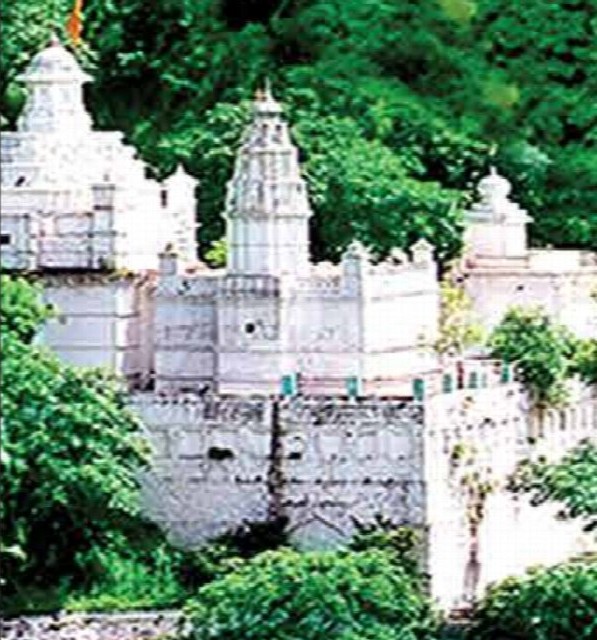
The temple complex among the green hills of Muktagiri

Shri Digambar Jain Siddha Kshetra

Muktagiri

A Digambar Jain Siddhakshetra in the lap of the Satpura hills, where about 3.5 crore munis attained moksha, with 52 Jinalayas rising from the foothills to the summit.

A land of tapas that joins the soul to the Supreme

This holy place brings devotion, history and nature together in wondrous harmony.

Satpura hills · Madhya Pradesh

Kshetra Parichay (Introduction to the Region)

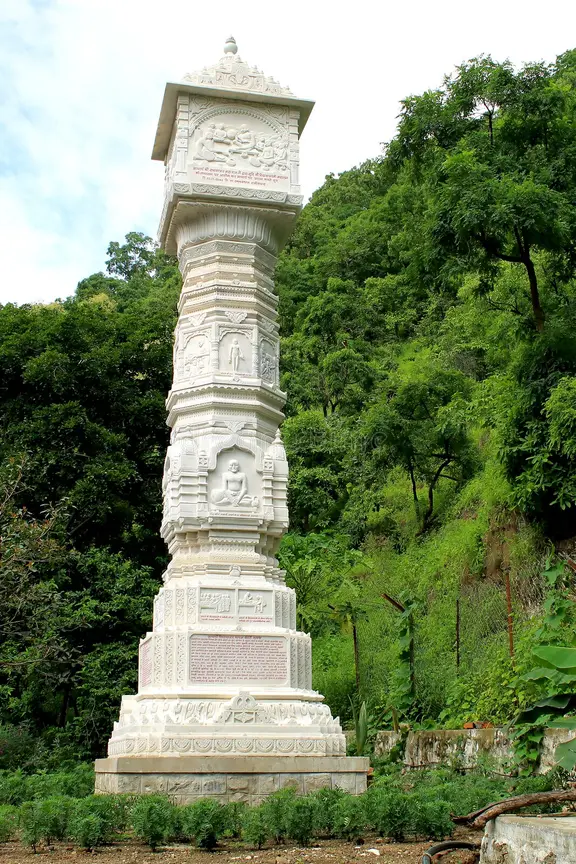
A marble pillar amid the green hills

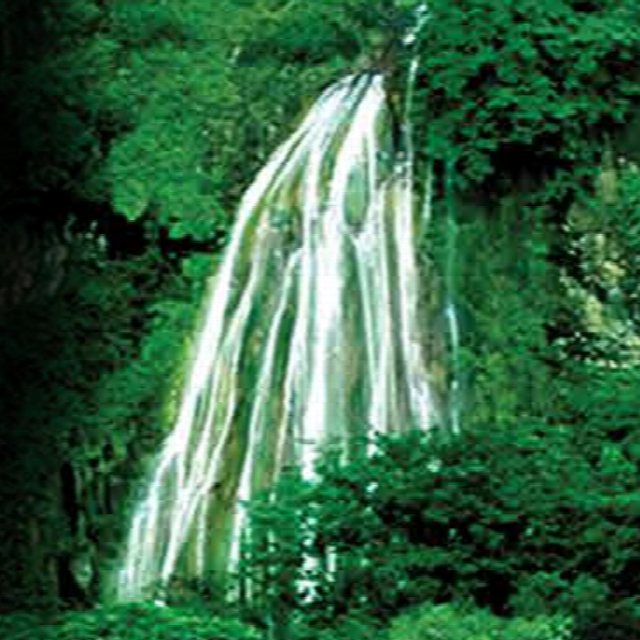
Shri Siddhakshetra Muktagiri (Mendhagiri) is not just a pilgrimage site, but a miraculous land of penance that connects the soul to the Supreme. Set amid the lush green ranges of the Satpura hills, this sacred kshetra presents a wonderful blend of devotion, history and nature. Its serene valleys, murmuring waterfalls and ancient 52 Jinalayas fill every devotee's mind with peace and spirituality.

The "Pearl Shower" Legend

The name Muktagiri literally translates to the "Hill of Pearls." According to Jain belief, a shower of pearls fell upon the mountain when the Samavasarana (divine preaching hall) of the 10th Tirthankara, Lord Sheetalnath, descended on this spot. The pillar commemorates the sanctity of this holy hill, where 3.5 crore Jain saints are believed to have attained salvation (Moksha).

  • The Satpura hills
  • Flowing waterfalls
  • 52 ancient Jinalayas
  • Peace and spirituality

Jain Philosophy and Pilgrimage Sites

In Jainism, tirtha vandana (pilgrimage worship) is a principal means of shedding karma (nirjara) and of the soul's welfare. Based on their characteristics, pilgrimage sites are divided into different categories. The three main categories among them are:

Siddhakshetra

The supremely sacred land from where Tirthankara Bhagwants or revered munis completed their rigorous austerities and attained liberation (Moksha/Nirvana) from the cycle of birth and death.

Read more

A Siddhakshetra is a supremely sacred land where even the dust is worthy of reverence, because from here many ascetics destroyed all their karmas and attained the eternal state of Siddha. Every particle of this land naturally inspires meditation and inward spiritual practice.

Atishayakshetra

A place where, owing to the divinity of the Jina idol or of the kshetra itself, extraordinary and miraculous events (atishay) visibly take place.

Read more

'Atishay' means a miracle or a special quality. At certain places, unimaginable and wondrous events are witnessed. The energy of these kshetras is so positive that a devotee's mind grows calm on arrival and their faith in the Bhagwan deepens.

Kalyanakkshetra

A sacred land where one of the five kalyanaks (Garbha, Janma, Tap, Kevalgyan or Moksha) of a Tirthankara has taken place.

Read more

According to the Jain Puranas, whenever the conception, birth, initiation (tap), omniscience (kevalgyan) or liberation of a Tirthankara takes place on earth, or great munis attain moksha (nirvana) from a land, Devraj Indra and the gods and goddesses of heaven come to celebrate at that place. That land becomes sacred forever, and worship at such a place paves the way to the welfare of all beings.

Tirthakshetra

A place where the samavasarana of a Tirthankara came, and where their divine sound (divyadhvani) dispelled the darkness of ignorance and spread the light of knowledge.

Read more

The land of a Tirthakshetra is made holy and pure by the dust of the Tirthankaras' own feet. It always lets the devotee feel the light of that knowledge which lifts souls out of worldly suffering and places them in supreme bliss.

The Spiritual Glory of Muktagiri

Mokshasthali of three and a half crore munis: From this hill, about three and a half crore (3.5 crore) munis worshipped the Three Jewels (ratnatraya), destroyed the eight karmas through the strength of their spiritual practice, and attained eternal bliss in Siddhalaya.

Samavasarana of Bhagwan Sheetalnath: According to the Nirvanakand, the samavasarana of Bhagwan Sheetalnath Swami, the 10th Tirthankara of the present chaubisi, came to this sacred land.
Even in the present age, munis and virtuous souls continue to receive the blessing of this holy land and to bless it with their own presence.

The place of penance of Sant Shiromani Acharya Shri 108 Vidyasagar ji Maharaj: the foremost Acharya of the Digambar tradition, the world-revered Sant Shiromani Acharya Shri 108 Vidyasagar ji Maharaj, observed his sacred chaturmas (monsoon retreat) here in 1980, 1990 and 1991. In 1998, in Acharya Shri's sacred presence, a historic diksha ceremony of nine munis was held here. Today, with his blessings, the restoration and development of Muktagiri continue.

History and Naming

Muktagiri Siddhakshetra is also known as Mendhagiri. A different story is told behind each name.

Muktagiri (the rain of pearls):
According to the Nirvanakand, when the samavasarana of the 10th Tirthankara, Bhagwan Sheetalnath, came here, the gods showered pearls. That is why it came to be called 'Muktagiri'.

Mendhagiri (the deliverance of a ram):
About a thousand years ago, near Temple No. 10, a ram fell from the hilltop in front of a muni absorbed in meditation. The compassionate muni recited the Namokar Mantra into its ear. Through the power of hearing the mantra, the ram was reborn in the celestial realm (devgati) immediately after death and came to pay homage to the muni. From then on, the hill also came to be called 'Mendhagiri'.

Protecting the Sanctity and Ahimsa of the Kshetra

The history of Muktagiri will always make the Digambar Jain community proud. During British rule, people climbed the hill wearing shoes and sandals to hunt, and killed its wild animals.

To protect the sanctity and ahimsa (non-violence) of the kshetra, the generous and devout late Shrimant Natusa Pasusa of Achalpur (Ellichpur), together with his associates the late Raisaheb Motisangai Rukhabsangai and the late Shri Gendalal Hiralal Badjatya, purchased the entire Muktagiri hill, with its temples, from Shri Khaparde's malguzari estate in 1928. The whole Jain community will always remain indebted to them for this historic act.

Muktagiri in Ancient Scriptures and Literature

Acharya Shri Pujyapada Swamiji (5th–6th century) refers to Mendhagiri, that is Muktagiri, in ‘Nirvana-Bhakti’ by the word ‘Mendhraka’ -

द्रोणीमति प्रबलकुण्डलमेण्ढ्रके च, वैभारपर्वततले वरसिद्धकूटे ।
ऋष्यद्रिके च विपुलाद्रिबलाहके च, विन्ध्ये च पौदनपुरे वृषदीपके च ।।२९।।

Commenting on this, Acharya Shri Prabhachandraji wrote-

प्रबलकुण्डलमेण्ढ्रके च प्रबलकुण्डले प्रबलमेण्ढ्रके च । ऋष्यद्रिके श्रमणगिरौ ।।

2. The ancient ‘Nirvana-Kand’ (Prakrit) describes the Siddhakshetra by the name Mendhagiri-

अच्चलपुरवरणयरे ईसाणभाए मेंढगिरिसिहरे ।
आहुट्ठ य कोडीओ णिव्वाणगया णमो तेसिं ।।१६।।

3. Bhattaraka Shri Shrutasagarji (1450–1530 CE), disciple of Bhattaraka Shri Vidyanandi of the Surat branch of the Mulasangh-Balatkaragana, describes ‘Medhragiri’ prominently in his Sanskrit commentary on the 27th gatha of ‘Bodhaprabhrta’ by Acharya Bhagwant Shri Kundakunda Swamiji-

......ऊर्जयन्त-शत्रुञ्जय-लाटदेशपावागिरि-आभीरदेशतुंगीगिरि-नासिक्यनगरसमीपवर्ति-गजध्वजगजपन्थ-सिद्धकूट-तारापुर-कैलासाष्टापद-चम्पापुरी-पावापुरी-वाराणसीनगरक्षेत्र-हस्तिनागपत्तन-सम्मेदपर्वत-सह्याचल-मेढ्रगिरि-हिमाचल-ऋषिगिरि-अयोध्या-कौशाम्बी-विपुलगिरि-वैभारगिरि-रूप्यगिरि-सुवर्णगिरि-रत्नगिरि-शौर्यपुर-चूलाचल-नर्मदातट-द्रोणगिरि-कुन्थुगिरि-कोटिकशिलागिरि-जम्बूकवन-चलनानदीतट-तीर्थकरपञ्चकल्याणकस्थानानि......।

4. Among the early authors of Marathi Jain literature, Gunakirti (c. 1470–1500 CE), disciple of Bhattaraka Bhuvanakirti and Brahma Jinadas of the Mulasangh-Balatkaragana, remembers Mendhagiriji in chapter 167, ‘Tirthavandana’, of his work ‘Dharmamrita’-

मेढ़गिरि आहूठ कोडि मुनि सिद्धि पावले त्या सिद्धासि नमस्कारु माझा ।

Besides these, Muktagiri, that is Mendhagiri, is named in many other places in ancient scriptures and literature.

The Architect of the Kshetra’s Golden Era

The late Shri Vijaykumar ji Kalamkar made an unforgettable contribution in bringing the kshetra to its modern golden era:

25 years of selfless service: He was president of the trust from 1980 to 2004. In financially difficult circumstances, he personally bore the entire cost of temple administration and staff salaries for about 25 years.

Protecting the sanctity: When the Madhya Pradesh government planned to acquire the kshetra and declare it a tourist site, Kalamkar ji went to court, prevented it from becoming a tourist site, and kept its religious sanctity intact.

Freedom from encroachment: He freed the kshetra's land from illegal encroachments and brought it back under the kshetra's ownership.

Construction and restoration: He gave the first personal donation of ₹51,000 for building the Dhruvkund, renovated the office, had the 52 temples and the steps restored, and arranged three chaturmas of Acharya Shri Vidyasagar ji. Today his son, Shri Atul Kalamkar, is carrying this journey of service forward at a rapid pace.

Explore the sacred hill

52 Jinalayas from foothills to summit

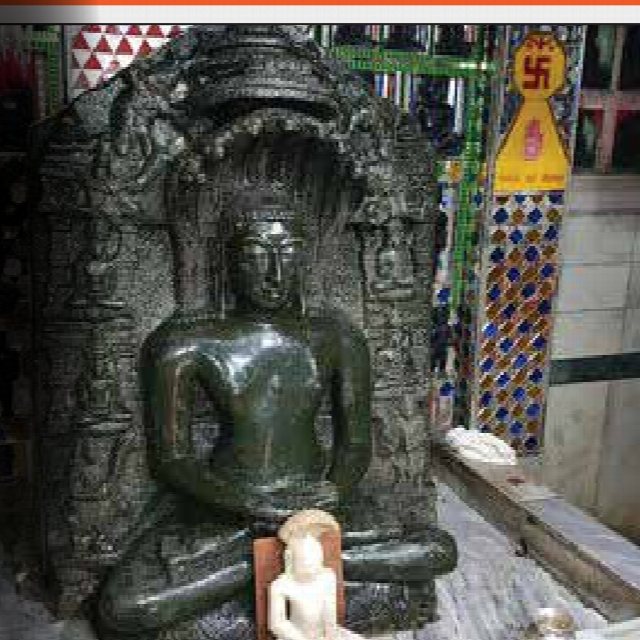
Muktagiri has 52 Digambar Jain Jinalayas. Temple No. 10 is known for its cave shrine, and Temple No. 26 for its idol of Bhagwan Parshvanath.

Photo gallery

A glimpse of Muktagiri

Explore views of the temples and natural surroundings in the Muktagiri gallery.